65+ Roofing Blog Topics to Grow Your Roofing Business in 2026
If you manage a roofing company, you know that the biggest challenge in blogging is often deciding what to write. This guide addresses that issue by providing a comprehensive library of roofing blog topics, organized by category. It also offers a straightforward framework to help you prioritize posts that generate calls and estimate requests, not just page views.
Whether you focus on residential, commercial, or both types of roofing, you will find relevant topics tailored to your business and local market.
Table of Contents
Why Roofing Blog Topics Matter for Your Business
A roofing blog serves two key purposes. It clarifies your business and service area for Google, improving your rankings for relevant homeowner and property manager searches. It also builds trust with potential clients, including those who are uncertain or comparing prices, before they contact you.
Consistent publishing offers roofers three main benefits: increased long-tail organic traffic (such as “what to do after storm damages my roof”), stronger topical authority in roofing, and reusable content for email, social media, and sales conversations.
How to Choose the Right Roofing Blog Topics for Your Business
Effective roofing blog topics address real customer questions and use keywords with proven local search demand. Begin by identifying common questions from your CSRs and estimators, then verify search interest with a keyword tool before writing.
A few practical filters to apply before you write:
- Begin with actual customer questions. The questions homeowners ask during estimates, phone calls, or in Google reviews often reflect the exact phrases they type into search engines.
- Prioritize high-intent topics. Individuals searching for terms like “roof replacement cost” or “emergency roof leak repair” are more likely to become customers than those researching the “history of asphalt shingles.” Focus on high-intent content initially.
- Review local search volume. National keyword tools may indicate high volume, but your local market could be much smaller. Cross-check with Google Business Profile insights or a local keyword tool before setting priorities.
- Identify gaps in competitor content. If local roofing blogs offer only brief or generic posts on a topic, this presents an opportunity to publish more valuable content and improve your search ranking.
- Balance evergreen and seasonal content. Evergreen posts such as “how to choose roof shingles” attract consistent traffic year-round, while seasonal posts like “winter roof maintenance checklist” see increased interest during peak times.
Below are the roofing blog post ideas, organized by category for your convenience. Select those that best align with your business.
Residential Roofing Blog Topics
Homeowners are often price-conscious, concerned about damage they cannot fully assess, and seek both reassurance and information. These roofing blog topics address those needs directly.
- Signs You Need a Roof Replacement vs. a Repair
- How Much Does a New Roof Cost? A Realistic Breakdown
- How Long Does a Typical Roof Replacement Take?
- What to Expect on Roof Replacement Day
- Asphalt Shingles vs. Metal Roofing: Which Is Right for Your Home?
- How to Spot Roof Damage From the Ground (Without Climbing Up)
- Do You Really Need a Roof Inspection Before Selling Your Home?
- What Causes Roof Leaks and How to Find Them Early
- How Often Should You Replace Your Roof?
- Roof Warranties Explained: What’s Actually Covered
- Choosing a Roof Color That Matches Your Home’s Style
- What to Ask a Roofing Contractor Before You Hire Them
Commercial Roofing Blog Topics
Commercial clients prioritize budgets, minimizing downtime, and establishing long-term maintenance partnerships. Content for this audience should emphasize expertise, case studies, and strategic planning over emotional reassurance.
- Flat Roof vs. Pitched Roof: What’s Best for Commercial Buildings?
- TPO vs. EPDM vs. PVC: Comparing Commercial Roofing Systems
- How Often Should Commercial Roofs Be Inspected?
- The True Cost of Deferred Commercial Roof Maintenance
- Signs Your Commercial Roof Needs Attention Before It Becomes an Emergency
- Preventive Roof Maintenance Programs: Are They Worth It?
- How Commercial Roof Replacement Affects Business Operations (and How to Minimize Disruption)
- Energy-Efficient Commercial Roofing Options Worth Considering
- What Property Managers Should Know About Roof Lifecycle Planning
- Choosing a Roofing Contractor for Multi-Site Commercial Properties
Seasonal and Storm Damage Roofing Blog Topics
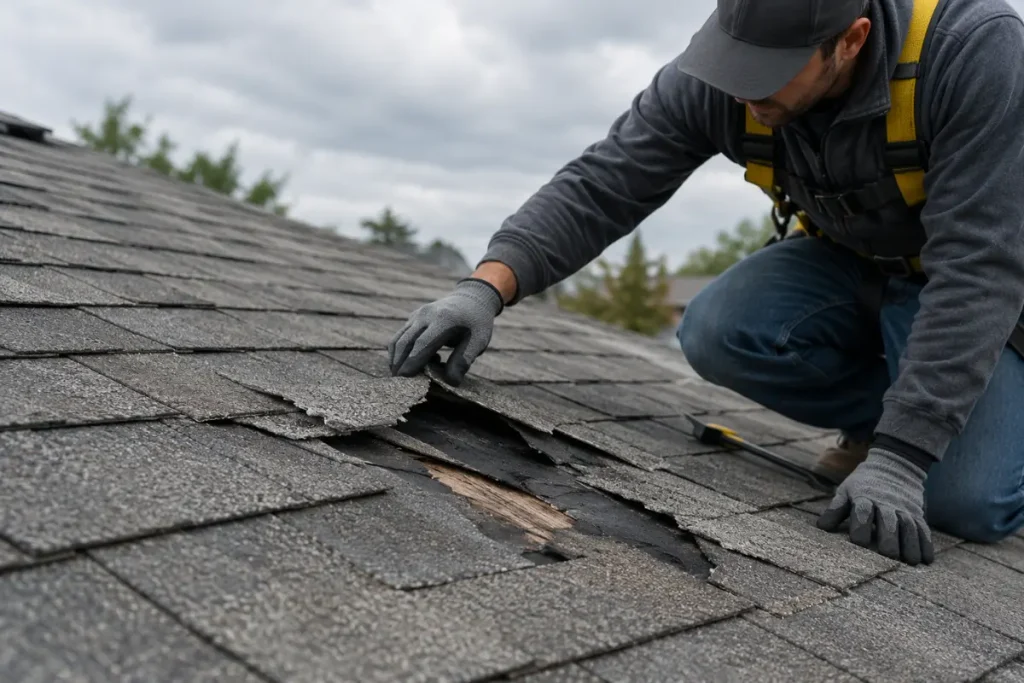
Storm and insurance-related content is often published reactively, as searches increase during urgent, high-stress periods. Publishing in advance allows posts to rank before demand rises.
- What to Do Immediately After a Storm Damages Your Roof
- How to Document Roof Damage for an Insurance Claim
- Hail Damage on Roofs: What It Looks Like and What to Do
- Understanding Your Roof Insurance Claim Process, Step by Step
- How Wind Speed Affects Roof Damage Risk
- Preparing Your Roof for Hurricane or High-Wind Season
- Ice Dams: What Causes Them and How to Prevent Roof Damage
- Spring Roof Maintenance Checklist After Winter Weather
- Summer Heat and Its Effect on Roofing Materials
Roof Maintenance and Repair Blog Topics
These roofing blog posts establish trust with homeowners and property managers before issues arise, making them effective as evergreen, always-relevant content.
- A Seasonal Roof Maintenance Checklist Every Homeowner Should Follow
- DIY Roof Repair vs. When to Call a Professional
- How to Clean Your Gutters Without Damaging Your Roof
- What Causes Shingles to Curl, Crack, or Lift?
- How Moss and Algae Growth Damages Your Roof Over Time
- Roof Ventilation 101: Ridge Vents vs. Soffit Vents
- Why Proper Attic Insulation Protects Your Roof’s Lifespan
- How to Extend the Life of Your Roof With Regular Maintenance
Roofing Materials and Comparison Blog Topics

Comparison content addresses a key stage in the buying journey, when homeowners are ready to proceed and are evaluating their options. Presenting these roofing topics as tables or side-by-side comparisons is effective.
- Asphalt Shingles vs. Wood Shakes: Pros, Cons, and Costs
- Metal Roofing vs. Asphalt Shingles: A Full Comparison
- Standing Seam Metal Roofs: Are They Worth the Investment?
- Clay Tile vs. Concrete Tile Roofing: What’s the Difference?
- Slate Roofing: Cost, Lifespan, and Whether It’s Right for You
- Synthetic Roofing Materials: A Modern Alternative Worth Considering
- Which Roofing Material Lasts the Longest?
- How Climate Should Influence Your Roofing Material Choice
Local SEO and Business-Focused Roofing Blog Topics
If your content strategy aims to build local authority and enhance your overall marketing, these roofing blog post ideas can effectively support your service pages.
- Why Local SEO Matters for Roofing Companies
- How to Get More Google Reviews for Your Roofing Business
- What to Include on Your Roofing Company’s Google Business Profile
- How Seasonal Content Helps Roofing Companies Rank Year-Round
- Building Trust Online: Why Roofing Companies Need Case Studies
If your team is developing supporting content alongside core service pages, review how these topics align with your broader Roofing SEO services strategy. This ensures blog content and service pages reinforce each other rather than compete for the same searches.
Tips for Writing Roofing Blog Posts That Actually Rank
Roofing blog posts perform best when they address specific questions directly, use clear language instead of industry jargon, and draw on authentic field experience rather than generic advice from other sources.
A few practices worth building into every post:
- Begin by answering the main question within the first two sentences. This approach helps readers and search engines quickly identify the post’s purpose before you provide additional details.
- Use short paragraphs of two to four sentences to keep roofing content easy to scan, particularly on mobile devices.
- Include specific numbers when available. General cost ranges, typical timelines, or common failure points from your own projects are more credible than vague statements.
- Consider alternate search terms. Some homeowners search for “metal roof,” while others use “steel roof” or “tin roof.” Incorporate the terms your customers use, not just internal terminology.
- Provide a clear next step. Each post should conclude with an obvious way for interested readers to contact you, such as a quote request, inspection booking, or phone number.