
Lead Generation for Window and Door Companies: A Complete Guide
Many window and door contractors view lead generation as a simple marketing task: run ads, post on social media, and wait for calls. In reality, effective lead generation for window and door companies requires a coordinated system. You must attract the right prospects, filter out unqualified inquiries, respond promptly, and assign leads your team can manage. If any part of this process fails, you risk spending significant resources without filling your installation schedule.
This guide explains the key components of a lead generation system for window and door contractors. It covers lead sources, how to distinguish valuable leads from unqualified ones, and how to create a process that converts inquiries into booked estimates.
Table of Contents
What Counts as a Lead for a Window and Door Company
A lead is a homeowner who has shown interest in your services through a form, phone call, chat, or third-party request. However, not all leads are equally valuable. Treating every lead the same often results in higher customer acquisition costs for window and door companies.
It helps to think of leads in two tiers:
- Raw inquiries. Someone submitted a form or made a call. They may or may not own the property, may be years away from buying, or may be comparing five contractors at once with no real intent to hire any of them.
- Qualified leads. The homeowner owns the property, has a defined project in mind, fits your service area, and has a realistic timeline. These are the sales leads worth spending estimator time on.
Much of the marketing budget is lost in the gap between raw and qualified leads. Campaigns that generate many unqualified inquiries do not drive business; they create noise. When assessing a lead source, focus on how many leads result in booked estimates, not just the total number generated.
Where Window and Door Leads Actually Come From
Window and door companies generate leads through various channels, each differing in cost, lead quality, and the level of control over exclusivity.
| Channel | How it works | Lead quality tendency | Exclusivity |
|---|---|---|---|
| Organic search (SEO) | Homeowners find you through unpaid Google results for terms like “window replacement” or “door installation [city]” | Generally high, since the searcher chose your listing specifically | Fully exclusive |
| Google Maps and local search | Visibility in the Map Pack for local, service-area searches | High for nearby, ready-to-research homeowners | Fully exclusive |
| Paid search and Local Service Ads | You pay for placement above organic results, often per click or per lead | Moderate to high, since the searcher has active intent | Exclusive (paid ads route directly to you) |
| Social media ads | Targeted ads on platforms like Meta, reaching homeowners who fit a demographic profile | Lower average intent, since most users aren’t actively searching | Exclusive |
| Third-party lead marketplaces | Platforms that collect a homeowner’s project details and sell or distribute them to contractors | Variable, and often shared across multiple companies | Shared, unless you pay for an exclusive tier |
| Referrals | Past customers recommend you to friends, neighbors, or family | Typically the highest quality and fastest to close | Fully exclusive |
| Content marketing | Educational articles, guides, and videos that answer homeowner research questions and draw organic traffic over time | High, since readers are self-educating before reaching out | Fully exclusive |
No channel operates in isolation. If a window and door company relies on a single source, it risks disruption from changes such as algorithm updates, increased platform costs, or fewer referrals. A blended strategy, focused on the channels that generate the most qualified leads for your market, is more resilient over time.
Third-Party Lead Platforms: Shared vs. Exclusive Leads Explained
Third-party lead marketplaces are widely used in lead generation for window and door companies, yet they are often misunderstood. These platforms gather homeowner project details and forward them to contractors, though the terms of these arrangements can differ greatly.
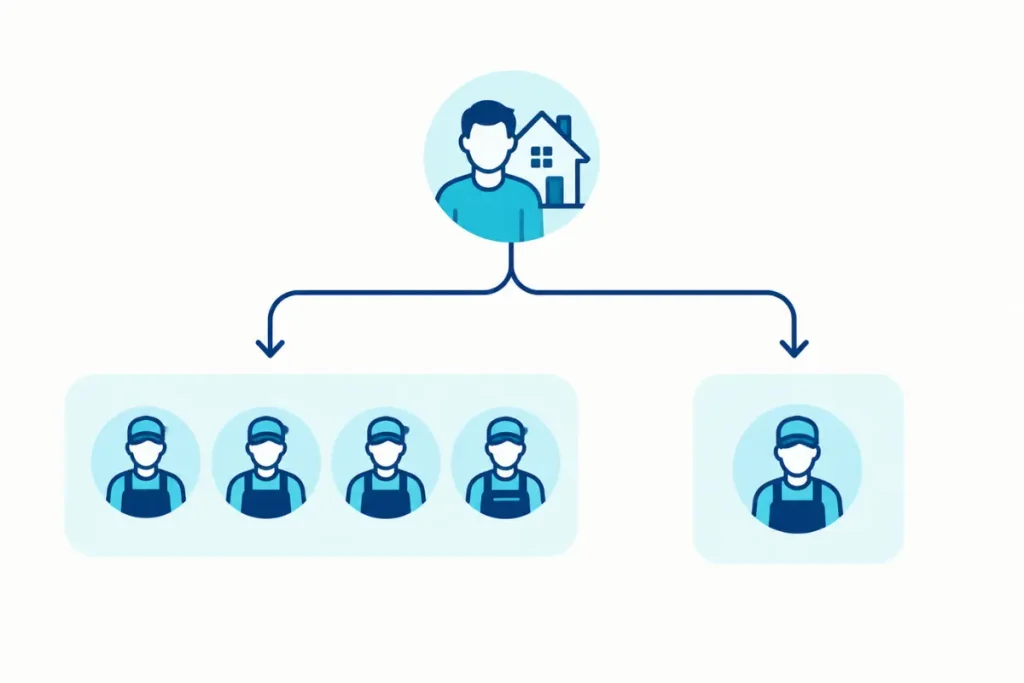
Shared leads are sold to multiple contractors at the same time. Homeowner information is distributed to several companies, and the contractor who responds first and makes a strong impression is most likely to secure the job. While this model usually costs less per lead, increased competition means you may lose a significant portion of leads to faster responders.
Exclusive leads are sold to only one contractor, ensuring no other companies contact the homeowner about the same project. Although these leads are more expensive, they eliminate the need to compete for response time and generally result in higher conversion rates.
Before investing in a third-party platform, ask whether leads are shared or exclusive, how many contractors receive each shared lead, and what the policy is for disputing invalid leads, such as those outside your service area or from non-owners. These platforms can be a valuable part of your lead-generation strategy, especially for companies developing organic visibility, but they are most effective when used alongside other channels.
Lead Qualification: Filtering Real Opportunities from the Rest
Assigning an estimator to every inquiry without screening leads to unnecessary time and fuel expenses. A qualified lead for a window and door company typically meets several key criteria:
- Property ownership. Renters typically can’t authorize installation work, and confirming ownership early avoids a wasted appointment.
- Defined project scope. A homeowner asking about a single cracked window pane is a different conversation than one planning a whole-house replacement, and your team should know which one they’re walking into.
- Realistic timeline. Some inquiries come from homeowners who are years away from budgeting for the project. That’s not necessarily a bad lead, but it’s a different kind of lead, one for nurturing rather than an immediate estimate visit.
- Service area fit. A project 90 minutes outside your normal territory might look like solid revenue on paper, but the travel time can turn it into a loss once labor and fuel costs are factored in.
Adding a brief qualification step to your intake process, such as a few questions on your contact form or a short phone screen before scheduling an estimate, helps protect your team’s time and reduces your cost per booked appointment compared to pursuing every inquiry.
Speed to Lead: Why Response Time Decides Who Wins the Job
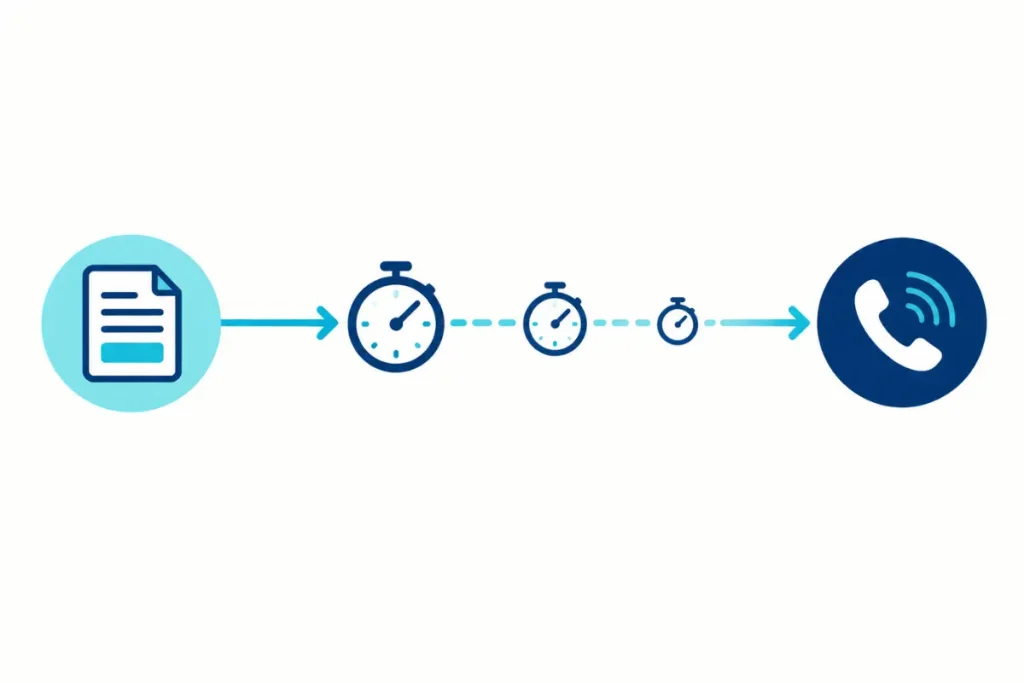
When a homeowner submits a form or requests a quote, they often do so on multiple websites. If your company doesn’t respond promptly, your chances of winning the job drop significantly, and the lead’s value diminishes.
A few practical habits make a measurable difference here:
- Respond immediately, even if it’s automated. A quick text or email confirming receipt keeps the homeowner engaged while your team prepares to follow up personally.
- Call within minutes, not hours. The first company to actually speak with the homeowner has a real advantage, especially with shared leads where multiple contractors received the same inquiry.
- Do not rely on a single contact attempt. Since homeowners often submit forms during evenings and weekends when your office may be closed, implement a follow-up process. A second call attempt the same evening and a brief email sequence will help maintain engagement and prevent leads from going cold.
Responding quickly matters as much for organic and referral leads as it does for paid leads. Homeowners who find you through search or recommendations expect prompt replies, and delays can erode their trust.
Matching Lead Volume to Install Capacity
Generating too many leads can overwhelm your team. When inquiries exceed your estimators’ capacity, response times increase, appointments are missed, and interested homeowners may choose competitors who respond more quickly. In this situation, extra leads become overhead rather than growth.
A few ways to keep lead volume aligned with what your business can actually handle:
- Scope digital campaigns to service areas you can profitably reach, rather than a broad radius that generates leads your crew can’t efficiently service.
- Track booked-estimate rate alongside raw lead count, so you can see whether a given channel is producing business or just inquiries.
- Build in a plan for overflow, such as a waitlist or a slower nurture sequence for leads that come in faster than your team can respond, rather than letting them go unanswered.
Capacity planning is often overlooked when focusing solely on generating more leads. However, a lead generation system that exceeds your response capacity can damage your reputation more than it benefits your pipeline.
Referral Programs as a Lead Source
Referrals are among the highest-converting lead sources for window and door companies because homeowners already trust recommendations from people they know. A structured referral program that simplifies the referral process and provides a modest thank-you for successful referrals can transform satisfied customers into a reliable, cost-effective lead source.
Developing a referral program requires decisions about incentives, timing, and promotion, which extend beyond this lead-generation overview. However, it is important to make referrals a consistent part of your marketing strategy rather than an occasional afterthought.
Content Marketing’s Role in Attracting Leads
Content marketing differs from other lead sources by attracting homeowners earlier in their decision process, while they research materials, compare window types, or evaluate pricing and energy efficiency. When these readers reach out, they have often already eliminated competitors whose websites did not address their questions.
Content marketing is also a durable lead source. A well-ranked article or guide continues to generate inquiries long after publication, without ongoing advertising costs. However, it typically takes longer to gain momentum compared to paid campaigns.
For detailed recommendations on effective topics, formats, and publishing frequency for this trade, please refer to our marketing strategy guide, which explores content marketing in greater depth.
Building a Simple Follow-Up System
A lead generation system is only as good as what happens after the inquiry comes in. A basic follow-up process doesn’t need to be complicated to be effective:
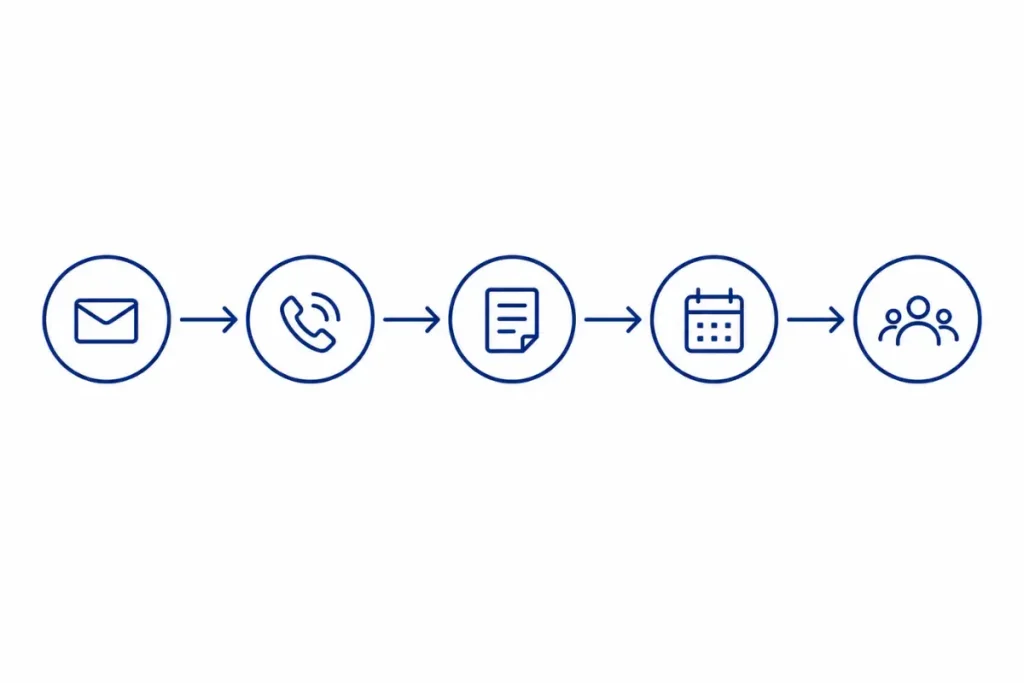
- Auto-acknowledge every inquiry immediately, even if it’s a simple confirmation text or email.
- Call within minutes during business hours, and within the first hour outside of them.
- Log every lead somewhere central, whether that’s a simple spreadsheet or a dedicated CRM, so nothing falls through the cracks.
- Set a follow-up cadence for leads that don’t answer, such as a second call attempt, a text, and a short email sequence over the following days.
- Keep a separate list for long-timeline leads, homeowners who are interested but not ready, so they’re not treated the same as someone ready to book this week.
This system does not require costly software to implement. The key is ensuring every lead receives a consistent and timely response, rather than relying on whoever checks the inbox.
Frequently Asked Questions
Are you seeking a lead generation strategy that is not reliant on advertising spend?
While paid channels and third-party platforms can supplement your efforts, the most reliable lead source for window and door companies is a robust organic and local search presence. This approach continues to generate qualified leads well beyond the duration of any campaign. Dynamic Orbit Media establishes this foundation through local SEO, content development, and search visibility strategies.