SEO Keywords for Locksmiths: Rank Higher & Get Leads
If you operate a locksmith business, the keywords you target determine who finds you on Google and how quickly they contact you. Locksmithing is highly local, urgent, and closely monitored in search results. Relying on a generic home services SEO keyword list will only partially address your needs.
This guide explains what SEO keywords for locksmiths are, why locksmith services differ from plumbing or HVAC in search results, how to research keywords effectively, and how to organize your findings into a practical website and Google Business Profile structure. By the end, you’ll have a comprehensive keyword framework, a page-mapping plan, and a straightforward scoring system to prioritize your targets.
Table of Contents
What “SEO Keywords for Locksmiths” Actually Means
This guide is intended for locksmith business owners and the marketers or agencies managing their SEO, particularly those developing their own website, service pages, and Google Business Profile. It is not designed for homeowners seeking to hire a locksmith. If you are looking for a locksmith, searching “locksmith near me” will be more helpful than this article.
For all others, “SEO keywords for locksmiths” refers to the specific terms people enter into Google when seeking locksmith services, such as “emergency locksmith near me” or “commercial master key system cost.” Identifying and correctly applying these keywords across your website forms the basis of effective locksmith SEO.
In summary, the most effective SEO keywords for locksmiths combine a service (such as lockout, rekey, or car key replacement), a modifier (like emergency, 24-hour, near me, or a city name), and sometimes an audience (residential, commercial, or automotive). High-intent examples include “emergency locksmith near me,” “car key replacement [city],” “commercial locksmith [city],” and “rekey locks cost.” An effective keyword strategy groups these by category and intent, mapping each group to a specific page on your website, such as the homepage, service page, city page, or blog post, rather than attempting to rank a single page for all terms.
Why Locksmith Keyword Strategy Is Different From Other Home-Service Trades
While locksmith SEO has similarities with plumbing, HVAC, and garage door SEO, four key differences mean that directly copying another trade’s keyword strategy is not effective.
Extreme Urgency and Emergency-Driven Search Behavior
Many locksmith searches occur during urgent situations, such as being locked out of a home, car, or business. These users are not comparison shopping; they quickly select the first credible result in the map pack. As a result, emergency and near-me keywords are especially important, and website pages should prioritize displaying the phone number and response time prominently, rather than focusing on company history.
Heavy Local Intent and Map Pack Dependency
Locksmith services are highly local and time-sensitive, so Google relies on the Local Pack for these searches. A locksmith with a strong Google Business Profile and basic on-page SEO often outranks one with excellent website content but a weak or unverified profile. Therefore, locksmith keyword strategies must prioritize the Map Pack from the outset, rather than treating it as secondary to organic rankings.
The Industry’s Unique Spam and Fake-Listing Problem
Google has identified locksmithing as a category frequently targeted by lead-generation call centers that create fake local listings, sometimes dozens for a single business, to dominate the map pack and route calls indiscriminately. This practice undermines trust in the industry, increases skepticism among users and Google’s algorithms toward new listings, and requires legitimate locksmiths to focus on building trust through their keyword and content strategies.
Google’s Advanced Video Business Verification Requirement
Due to the prevalence of spam, Google now requires locksmiths to complete video verification rather than the previous postcard method. New or updated listings must often submit a short video showing business signage, the surrounding area, and proof of active operation. Locksmiths operating as service-area businesses should avoid listing a public address if they do not serve customers at that location. While this verification does not directly affect keyword selection, it influences the reliability of your Google Business Profile and may require your on-page keyword strategy to compensate accordingly.
How to Research Locksmith Keywords
You do not need an expensive SEO tool budget to create an effective locksmith keyword list. However, understanding the strengths of each tool is beneficial.
Free and Paid Tool Options
| Tool | Cost | Best for | Limitation |
|---|---|---|---|
| Google Keyword Planner | Free (Google Ads account required) | Broad volume ranges, seasonal trends, ad-targeting research | Volume shown in wide ranges unless you’re spending on ads; weak for hyper-local city-level data |
| Google Search Console | Free (once your site has some traffic) | Real queries your site already gets impressions/clicks for | Only shows data for your existing site — no competitor or new-market insight |
| Ahrefs | Paid | Competitor keyword gaps, difficulty scoring, backlink context | Cost is hard to justify for a single-location shop; better suited to agencies managing several clients |
| KWFinder (Mangools) | Paid, lower-cost tier | Local keyword difficulty, long-tail discovery | Smaller keyword database than Ahrefs/SEMrush |
| Google Autocomplete & “People also ask” | Free | Real phrasing, question-based long-tail terms | Manual, not scalable for large keyword sets |
For most single-location or small multi-location locksmith businesses, begin with Search Console (if available) and free Autocomplete or People Also Ask research. Use paid tools selectively for competitor gap analysis, rather than as your primary keyword source.
Search Volume, Difficulty, and CPC Without Over-Trusting Any Single Source
Search volume, keyword difficulty, and CPC estimates can vary significantly between tools, as each models click and auction data differently. The same keyword may show 90 monthly searches in one tool and 320 in another, or have a difficulty score that differs by more than 20 points. Use these metrics as general guides for prioritization, not as exact figures. Always cross-check important keywords with at least two sources, and prioritize Search Console data when available, as it reflects your actual site performance.
Locksmith Keyword Categories
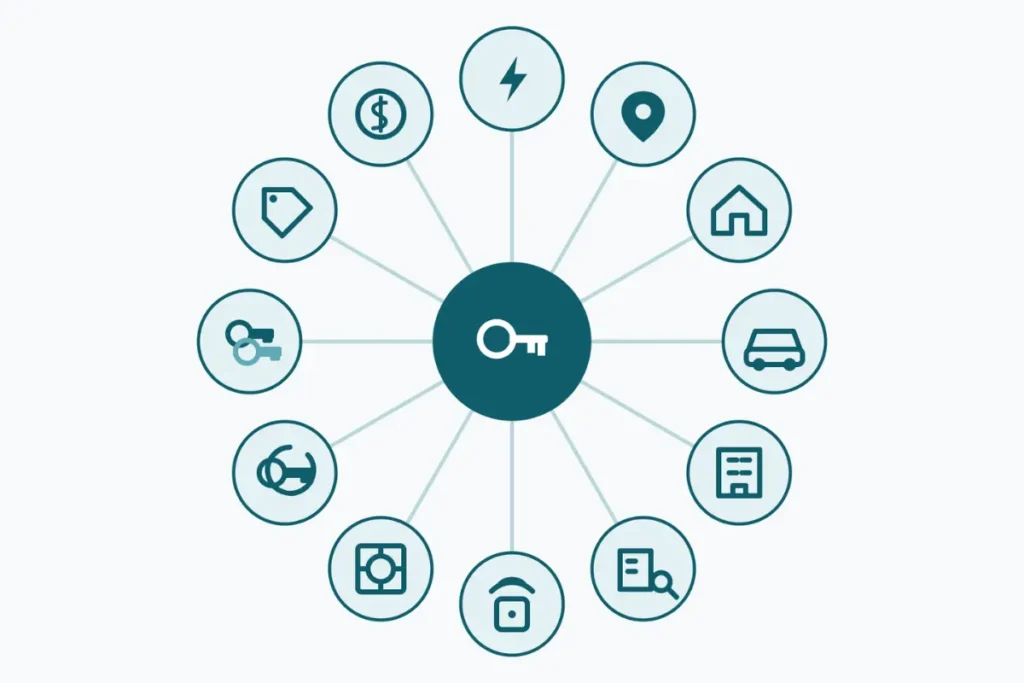
Locksmith keywords can be organized into a manageable set of categories. Building your keyword list by category, rather than as a single undifferentiated list, makes it easier to map keywords to pages later in this guide.
Emergency & 24-Hour Keywords
| Example Keywords |
|---|
| Emergency locksmith |
| 24 hour locksmith [city] |
| Locksmith open now |
| Locked out house emergency |
| Urgent locksmith near me |
These are your highest-intent, fastest-converting terms — the searcher usually calls within minutes of finding a result.
Local & “Near Me” / City-Modified Keywords
| Example Keywords |
|---|
| Locksmith near me |
| Locksmith in [city] |
| [City] locksmith services |
| Locksmith [neighborhood] |
These carry the heaviest search volume in most markets and should anchor your Google Business Profile and city/service-area pages.
Residential & House Lockout Keywords
| Example Keywords |
|---|
| Locked out of house |
| House lockout service |
| Residential locksmith |
| Front door lock replacement |
| Home security lock upgrade |
Automotive & Car Key Keywords (Including Make-Specific Variants)
| Example Keywords |
|---|
| Car key replacement |
| Locked keys in car |
| Car key fob programming |
| Honda key replacement |
| Ford key fob replacement [city] |
| Transponder key cutting/programming |
Targeting make-specific variants such as “Toyota key replacement” or “BMW key fob programming” is recommended if you service these vehicles. Although search volume is lower, user intent is higher and competition is often less than for generic terms like “car key replacement.”
Commercial, Master Key & Access Control Keywords
| Example Keywords |
|---|
| Commercial locksmith |
| Master key system |
| Access control installation |
| Keyless entry system for business |
| Commercial door hardware |
These searchers are often researching rather than in crisis, and they represent higher-ticket, recurring-revenue work.
Property Management & Eviction Keywords
| Example Keywords |
|---|
| Locksmith for property managers |
| Eviction lockout locksmith |
| Rekey after tenant move-out |
| Landlord lock change service |
This is a narrower yet valuable niche. Property managers and landlords often require recurring service for multiple units, but few locksmiths explicitly target this audience in their content.
Smart Lock & Keyless Entry Keywords
| Example Keywords |
|---|
| Smart lock installation |
| Keyless entry locksmith |
| Smart lock repair |
| August lock installation |
| Schlage Encode setup |
This category is growing as smart home adoption increases, and search competition for it is often lower than for traditional lock keywords.
Safe Locksmith Keywords
| Example Keywords |
|---|
| Safe locksmith near me |
| Gun safe lock repair |
| Safe combination reset |
| Commercial safe installation |
| Fireproof safe locksmith |
Rekey, Lock Change & Broken Key Extraction Keywords
| Example Keywords |
|---|
| Rekey locks near me |
| Lock change service |
| Broken key extraction |
| Broken key stuck in lock |
| How much to rekey a house |
Key Duplication Keywords
| Example Keywords |
|---|
| Key duplication near me |
| Car key copy |
| Duplicate house key |
| Key cutting service |
Lock-Hardware-Brand Keywords (Schlage, Medeco, Yale, Kwikset, etc.)
| Example Keywords |
|---|
| Schlage lock installation |
| Medeco high-security lock |
| Yale smart lock repair |
| Kwikset rekey |
| Mul-T-Lock installation |
Brand-specific keywords are especially important in locksmithing, as customers often own or request specific brands, particularly for high-security and commercial hardware. They typically search by brand name rather than generic terms.
Locksmith Cost & Pricing Keywords
| Example Keywords |
|---|
| How much does a locksmith cost |
| Locksmith prices |
| Car lockout cost |
| Rekey cost per lock |
| Emergency locksmith call-out fee |
These are research-stage keywords, but they are valuable because pricing transparency is a key trust signal in industries often associated with hidden fees.
Locksmith Keywords by Search Intent
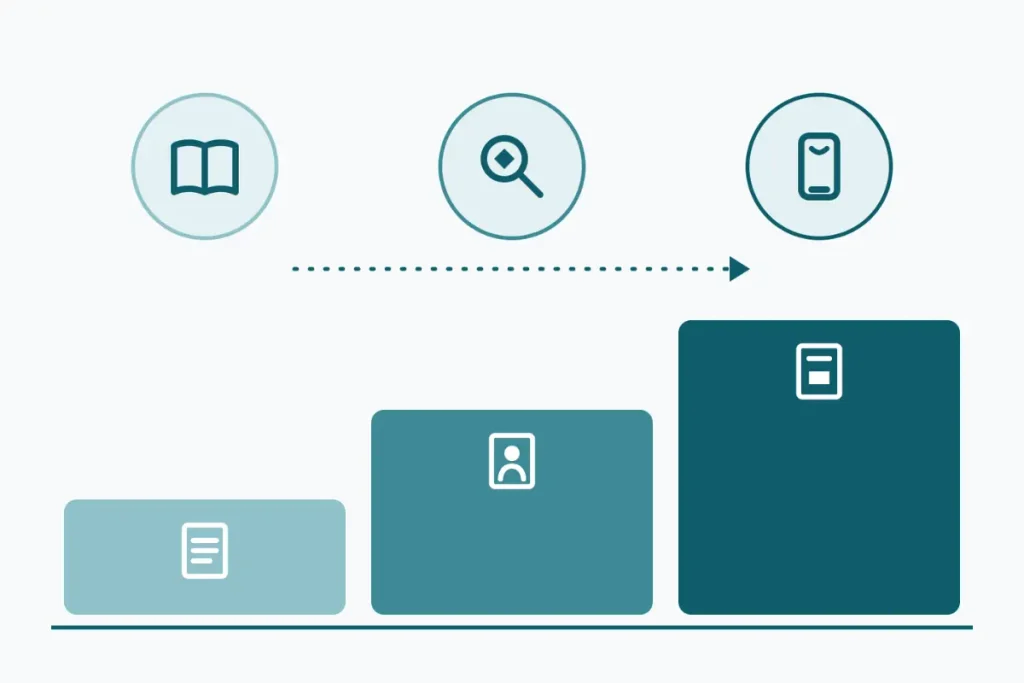
Every keyword above also sits somewhere on the intent spectrum, and that placement should drive how you write the page it targets.
Transactional / Ready-to-Call
| Example Keywords |
|---|
| Emergency locksmith near me |
| Locked out of my house right now |
| 24 hour locksmith [city] |
Prioritize speed by placing the phone number and click-to-call feature above the fold. Minimize required reading, and ensure trust signals such as licensed, bonded, insured, and years in business are immediately visible.
Informational / Researching
| Example Keywords |
|---|
| How does rekeying work |
| What is a transponder key |
| Signs you need a lock replacement |
Write to educate and build authority — these are the pages that earn featured snippets and AI Overview citations, and they build topical trust that supports your transactional pages.
Commercial Investigation / Comparing Options
| Example Keywords |
|---|
| Best locksmith near me |
| Locksmith reviews [city] |
| Locksmith vs DIY lock change |
| How much does a locksmith cost |
Differentiate your content by highlighting pricing transparency, customer reviews, proof of licensing or insurance, and clear service-area coverage.
Assign each keyword to one of these three categories before writing. This approach helps avoid creating emergency-intent pages that read like blog posts or comparison-intent pages that resemble sales pitches.
Mapping Keywords to the Right Pages
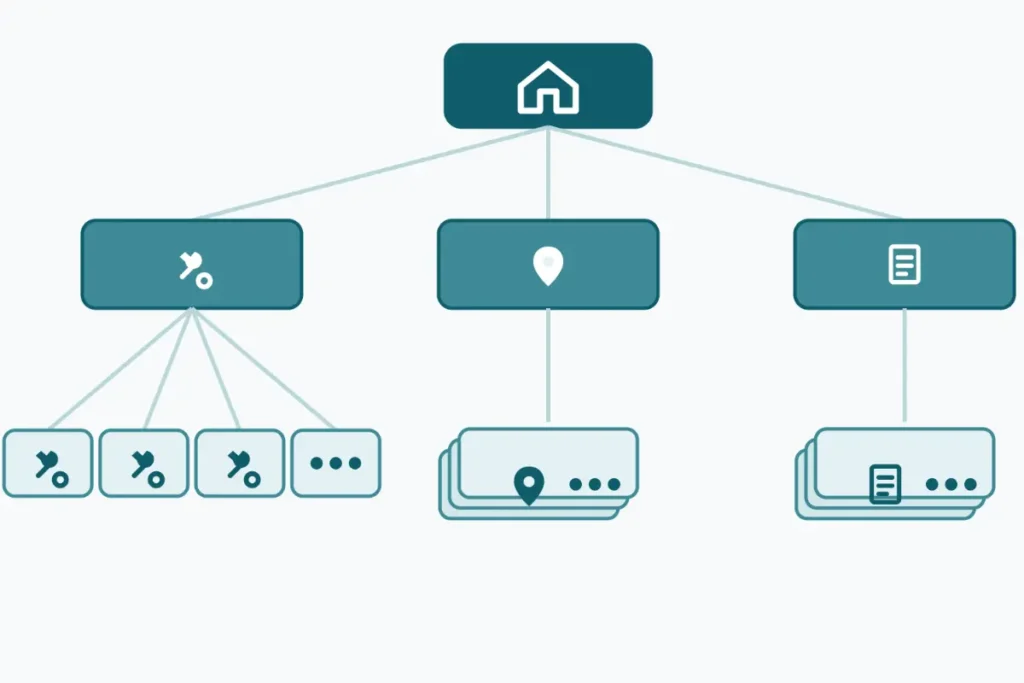
After categorizing keywords, determine which page should target each one. Attempting to rank the homepage for all keyword categories is a common mistake in locksmith SEO. This approach dilutes relevance signals and makes it more difficult to achieve strong rankings.
Homepage vs. Service Page vs. City Page vs. Blog
| Page Type | Example Keywords | Notes |
|---|---|---|
| Homepage | locksmith [city]; [business name] | Your core brand terms and one or two of your highest-value general keywords. Keep it broad; let dedicated pages carry the specifics. |
| Service pages | car key replacement; locked keys in car; car key fob programming | One page per major service category — automotive, residential, commercial, safes, smart locks — each targeting its category’s core keywords plus intent variations (these can often live on one automotive service page). |
| City / service-area pages | [service] in [city] | One page per city or town you actively serve. These should have genuinely unique content — local landmarks, service-area specifics, city-specific reviews if available — not the same paragraph with the city name swapped in, which both underperforms and risks a thin-content or duplicate-content penalty. |
| Blog posts | how much does it cost to rekey a house; what to do if you lock your keys in your car | Informational and long-tail keywords that don’t fit neatly into a service or city page — pricing guides, and seasonal content. |
Sample Site / URL Structure
yourdomain.com/
├── / (homepage)
├── /services/residential-locksmith/
├── /services/commercial-locksmith/
├── /services/automotive-locksmith/
├── /services/safe-locksmith/
├── /locations/[city-1]/
├── /locations/[city-2]/
└── /blog/how-much-does-it-cost-to-rekey-a-house/
How Many City Pages to Build for Your Market Size
The number of city pages you need depends on your service area, not a set target. A single-location locksmith serving one metro area typically performs best with 5 to 15 city or neighborhood pages focused on areas that generate real call volume. Creating more pages without unique content often results in thin pages that can harm your site. Regional operations with multiple branches or franchises can support 20 to 50 or more location pages, but each must correspond to a real, verifiable service area and, ideally, a genuine local presence such as a branch, a verified GBP listing, or documented service history. Avoid creating pages solely to capture search volume.
Single-Location vs. Multi-Location/Franchise Structure
A single-location locksmith should focus on a strong homepage, service pages, and city pages, supported by one Google Business Profile for local rankings. In contrast, a multi-location or franchise business requires a different approach: each branch should have its own verified Google Business Profile and dedicated location page, with the main domain serving as a central hub. Attempting to use a single GBP and generic city pages for multiple locations, without real local presence, can quickly trigger Google’s spam review.
Google Business Profile Keyword Strategy
For most locksmiths, the Google Business Profile is as important as the website for ranking on keywords that drive customer inquiries.
Category, Services List, Description, Posts, and Q&A
Category: Select the most specific and accurate primary category, such as “Locksmith” instead of a general contractor category. Add secondary categories only if they are truly relevant. Incorrect categorization often leads to poor rankings or profile suspension.
Services list: List each service you offer as a separate item, using the terms customers are likely to search for rather than internal terminology.
Business description: Incorporate core service and location keywords naturally and in plain language. This field should read as marketing copy rather than an SEO placement, so avoid keyword stuffing.
Posts: Publish weekly or biweekly posts to highlight specific services and seasonal keywords, such as a “frozen car lock” post in winter. Posts mainly serve as engagement signals and can increase click-through rates in the local panel. Consistent posting remains beneficial.
Q&A: As of 2025, Google no longer allows new questions and answers on Business Profiles. This is no longer a viable keyword placement strategy for new profiles. Legacy Q&A content may remain visible, but it should be considered historical rather than an active engagement channel.
NAP Consistency Across Directories
Your business name, address, and phone number must match exactly, including abbreviations and suite numbers, across your website, Google Business Profile, and all directory listings. Inconsistent NAP data is a common and easily correctable local ranking issue.
Directory-Listing Priority Tiers
- Must-have: Google Business Profile, Bing Places, Apple Business Connect, Yelp
- Second tier: Better Business Bureau, Angi, HomeAdvisor or Thumbtack (if you accept lead-generation referrals), and industry-specific directories such as the ALOA member directory if certified.
- Optional: General local citation sites and data aggregators such as Data Axle and Neustar Localeze are useful for maintaining consistency, though they have minimal direct impact on rankings.
On-Page SEO for Locksmith Keywords
After assigning keywords to pages, apply standard on-page SEO practices, with the following locksmith-specific considerations.
Title Tags, Meta Descriptions, Headers, and Alt Text
Title tags: Begin with the primary keyword and service area. For example, “Emergency Locksmith in [City] | 24-Hour Lockout Service” is more effective for click-through and relevance than a generic “Welcome to [Business Name]” format.
Meta descriptions: Include the keyword and a clear trust or urgency signal, such as response time, licensing, or availability. These elements help distinguish your listing among similar locksmiths.
Headers (H1/H2): Use one clear H1 per page with the primary keyword. H2s should address subtopics and secondary keywords naturally, avoiding keyword stuffing.
Alt text: Accurately describe images and include keywords only when relevant. For example, a photo of a technician rekeying a deadbolt may use alt text such as “locksmith rekeying a residential deadbolt lock” rather than a generic description.
Natural Keyword Integration (Avoiding Stuffing)
Prioritize the reader’s experience. As a guideline, remove all keywords and read the paragraph aloud; it should still make sense and sound natural. If a sentence exists only to include a keyword, revise or remove it.
Building Trust and Authorization Language Into Locksmith Content
Locksmithing is a high-scrutiny trade because it involves granting access to secured locations. Trust signals are not optional marketing elements; they are essential content requirements.
Licensing, Bonding, and Insurance Disclosure
Clearly display your license number (where required), bonding, and insurance status on your homepage and service pages, rather than in the footer. Many states require locksmiths to show license numbers on all advertising, including websites. Confirm your state’s specific requirements instead of assuming they are optional.
Proof-of-Ownership / Authorization Language for Lockouts and Property Access
Since locksmith services often involve access to homes, vehicles, and businesses, your content should clearly state what proof of ownership or authorization is required before performing a lockout or rekey (such as government-issued ID, proof of residence, or vehicle registration). Most competitors do not include this information. Providing it reassures customers and demonstrates to Google and readers that your business is legitimate and accountable, not an anonymous call center.
Honest Availability Claims (Avoiding Fake 24/7 Claims)
If your site says “24/7 emergency service,” it needs to be true. If your site advertises “24/7 emergency service,” ensure this claim is accurate. Overstating availability undermines customer trust and may affect your listing’s legitimacy in Google’s evaluation. If after-hours service is provided through an answering service or on-call rotation rather than a live technician, state this clearly.
Keywords Locksmiths Should Avoid
Not every locksmith-adjacent search term is worth targeting — some are actively worth avoiding.
Lock-Picking, Bump-Key, and Bypass-Method Queries
| Example Keywords |
|---|
| How to pick a lock |
| How to bump a lock |
| How to bypass a deadbolt |
These terms attract significant search volume, but most searches come from individuals seeking to learn the technique themselves. While some have legitimate reasons, others may not, and it is difficult to reliably screen intent. Ranking for these terms does not generate locksmith customers, and publishing detailed bypass instructions exposes a licensed, bonded business to legal and liability risks. This type of content is not appropriate for a professional locksmith website.
Low-Value Queries (Jobs, Training, “Cheap”/”Free” Locksmith)
| Example Keywords |
|---|
| Locksmith jobs |
| How to become a locksmith |
| Locksmith training |
| Cheap locksmith |
| Free locksmith |
These topics attract the wrong audience, such as job seekers, students, or price-shoppers seeking the lowest bid. These groups convert at low rates and are rarely a good customer fit. If you are hiring, consider addressing these topics on a separate recruiting or careers page, rather than including them in your core service-page keyword strategy.
SEO vs. PPC: Which Keywords Belong Where
Not all keywords warrant equal investment across channels. Locksmiths, given the urgency-driven nature of their industry, are especially well positioned to recognize these differences.
When Organic Investment Makes More Sense Than Paid Spend
| Channel | Example Keywords | Notes |
|---|---|---|
| PPC | emergency locksmith near me; locked out of my car right now | In highly competitive emergency markets dominated by lead-generation aggregators and national chains, urgent search terms drive rapid conversions. Paid placements ensure your business appears before potential customers who are ready to call within minutes, regardless of your organic ranking. |
| Organic / SEO | how rekeying works; pricing guides; brand-specific and service-category terms | Focus on informational and long-tail keywords, as well as city and neighborhood pages outside your primary markets. Target keywords that attract users who are still researching rather than ready to call. While these terms may take longer to deliver results, they continue to generate leads over time without ongoing per-click costs. A well-ranked pricing guide or service page can provide value for years. |
As a guideline, prioritize PPC for keywords that convert the same day and appear among paid ads or directories rather than locksmith websites. For keywords with a longer research window and organic results featuring business or informational content, focus on SEO.
Seasonal Locksmith Keyword Trends
Locksmith search behavior shifts meaningfully by season, and keyword strategy — especially Posts, blog timing, and paid budget allocation — should shift with it.
Winter
| Example Keywords |
|---|
| Frozen and stuck locks |
| Car door frozen shut |
| Key won’t turn in cold |
Lockouts increase during colder months as people are more likely to fumble with keys and hurry indoors. Searches for home security and rekey services also rise before holiday travel.
Spring
Home security upgrades and smart lock installations increase as homeowners address deferred maintenance and the moving season begins. This drives more searches for rekey and lock-change services related to new tenancies and home purchases.
Summer
Summer is the peak season for car lockouts and car key replacements due to increased travel. Overall lockout searches also reach a seasonal high as more people spend time away from home.
Fall
Back-to-school and back-to-office routines lead to another increase in moving-related rekey services. Commercial and property management searches also rise as businesses manage turnover before year-end.
Create seasonal content and posts several weeks before each shift. Consider adjusting PPC budget allocation to focus on categories that see increased demand each season, rather than maintaining a flat budget year-round.
Tracking Which Keywords Actually Generate Calls
Ranking for a keyword is valuable only if it generates business. Tracking should connect keywords directly to resulting phone calls.
Call Tracking Setup
Implement dynamic number insertion linked to each traffic source (organic, GBP, paid) to identify the channel and, ideally, the landing page that generated each call. Without this, you cannot accurately determine which keywords drive revenue instead of just traffic.
GBP Action Data
Google Business Profile provides insights on calls, direction requests, and website clicks generated directly from the profile. This data is essential, as a significant portion of locksmith traffic does not visit your website.
Search Console Query Analysis
Regularly review the Queries report to identify which search terms generate impressions and clicks for each page. Compare these terms to your targeted keywords to uncover unplanned rankings or missed opportunities.
Review all three data sources together at least monthly. This approach transforms your keyword list into a sustainable growth strategy rather than a one-time research effort.
A Simple Framework for Prioritizing Which Keywords to Target First
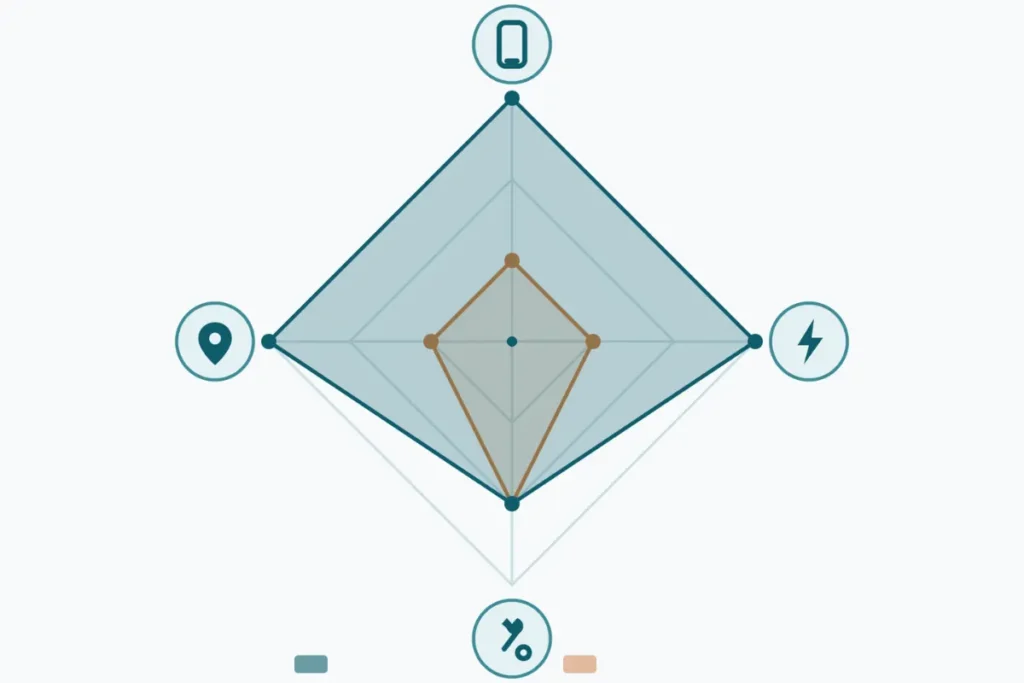
With many potential keywords in multiple categories, prioritization is more important than completeness. A simple scoring method, rating each keyword from 1 to 3 on four factors, is effective for most locksmith businesses:
| Factor | What it measures | 1 point | 2 points | 3 points |
|---|---|---|---|---|
| Intent | How close to ready-to-call | Informational | Comparing options | Transactional/emergency |
| Urgency | How time-sensitive the underlying need is | Non-urgent (planning ahead) | Moderately urgent | Immediate/emergency |
| Service fit | How well this matches services you actually offer well | Adjacent/occasional service | Regular service | Core specialty |
| Local relevance | How well it matches your actual service area | Outside typical service area | Edge of service area | Core service area |
Add the four scores (maximum 12) and prioritize your highest-scoring keywords first, such as transactional, urgent, core-specialty, or core-area terms like “emergency locksmith [your city].” Then, address lower-scoring informational or peripheral keywords. This approach ensures your initial SEO efforts focus on terms most likely to generate calls, rather than diluting content across all identified keywords.
Common Locksmith Keyword Mistakes to Avoid
- Focusing solely on broad, generic terms such as “locksmith” or “locksmith services” instead of targeting specific, high-intent long-tail keywords that convert better and face less competition.
- Using a single page to target all keyword categories instead of assigning keywords to dedicated service and city pages.
- Copying city pages with only the city name changed results in thin, near-duplicate content that struggles to rank and may attract quality concerns.
- Overlooking Google Business Profile keyword strategy and focusing exclusively on the website, even though the GBP listing often drives most locksmith search rankings.
- Relying on a single tool’s volume or difficulty metrics without cross-checking or treating these estimates as directional.
- Publishing bypass or lock-picking content to chase search volume, which rarely converts and may create liability risks.
- Overstating 24/7 availability to match high-value keywords, which undermines trust and conversions when customers discover the claim is inaccurate.
- Neglecting authorization and trust language, missing an opportunity to stand out in a category where fake listings and scams have eroded consumer confidence.
Last Thoughts
Locksmith keyword strategy is not about building the longest list, but about matching keywords to intent. Each keyword category in this guide reflects a different customer need: some are urgent, others are research-driven, and a few should be avoided. Successful businesses map each keyword to the appropriate page, support it with a verified Google Business Profile, and combine urgent messaging with genuine trust signals in a market where trust is limited.
Consider this guide a dynamic framework, not a one-time checklist. Review your keyword categories each season, evaluate tool estimates carefully, and rely on call-tracking and Search Console data instead of intuition to determine which keywords to prioritize.